
Why Do Stomach Infections Increase During the Rainy Season? Causes, Symptoms & Prevention
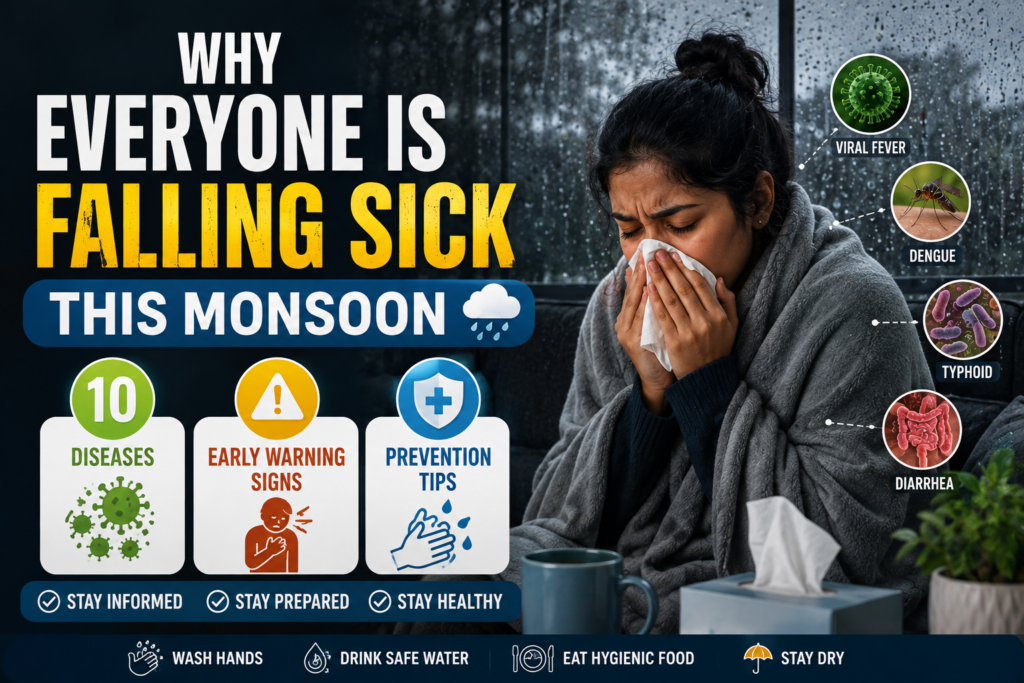
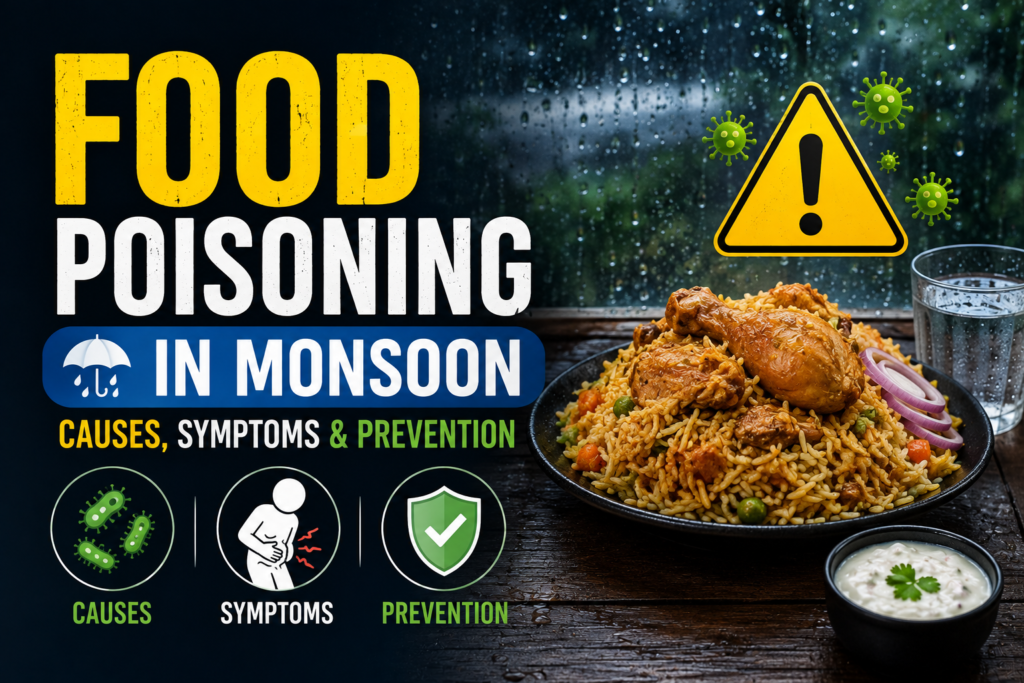
Every monsoon, cases of food poisoning, diarrhoea, typhoid, and gastroenteritis rise sharply across India. Here is why it happens, the symptoms to watch for, the best foods to eat and avoid, and 7 science-backed ways to protect your gut.
Main Trigger
Humidity
Speeds up germ growth
Top Defence
Safe Water
Boiled, filtered or purified
Prevention Tips
7
Simple, science-backed habits
If Dehydrated
ORS
Replaces fluids & salts




The arrival of the monsoon brings cooler weather, hot cups of tea, and delicious snacks like pakoras and bhajiyas. But while the rainy season is a welcome break from the summer heat, it also brings a sharp rise in stomach infections across India. Every year, hospitals and clinics report more cases of food poisoning, diarrhoea, vomiting, typhoid, cholera, and viral gastroenteritis during the monsoon.
Why does this happen? The answer lies in a combination of high humidity, contaminated food and water, poor food hygiene, and the faster growth of harmful bacteria and viruses. During the rainy season, even a simple meal prepared or stored improperly can upset your digestive system. The good news: many of these infections are preventable. By understanding why they occur and following a few healthy eating and hygiene habits, you can significantly reduce your risk.
ℹ️ Note: This article is general wellness information, not medical advice. If symptoms are severe or persistent — or affect infants, older adults, pregnant women, or anyone with a weakened immune system — consult a qualified healthcare professional.
Why Are Stomach Infections More Common During the Monsoon?
The biggest reason is the warm and humid weather. Moist conditions create a perfect environment for bacteria, viruses, fungi, and parasites to multiply quickly, and food left uncovered or stored at room temperature spoils faster than in cooler months. Here are the main drivers behind the seasonal spike.
Contaminated Drinking Water
Heavy rainfall can mix drinking water with sewage, dirt, and disease-causing microorganisms. If water is not properly filtered, boiled, or purified, it can spread diarrhoea, cholera, and typhoid. Even ice cubes and beverages made with contaminated water pose a risk.
Food Spoils Faster
Humidity speeds up bacterial growth in cooked food, dairy, and leftovers. Food that looks fresh may already carry harmful microorganisms if it has been left out for hours — which is why experts recommend eating freshly cooked meals rather than relying on leftovers during the monsoon.
Street Food Becomes Riskier
Roadside food is a big monsoon attraction, but it can be exposed to dust, flies, rainwater, and improper storage. Cut fruits, chaat, pani-puri, sandwiches, and uncovered snacks are especially prone to contamination. It doesn’t mean all street food is unsafe — but clean, reputable vendors serving freshly prepared food are essential.
Poor Hand Hygiene
Many stomach infections spread through dirty hands. Touching contaminated surfaces and then eating without washing lets germs enter your digestive system. Washing hands with soap before meals and after using the washroom greatly reduces the risk.
Raw Foods Need Extra Care
Fresh fruits and vegetables are healthy, but during the rainy season they should be washed thoroughly under clean running water. Leafy vegetables grown close to the soil can carry dirt and microorganisms — so during heavy rainfall, choose freshly cooked vegetables over raw salads where you can.
Common Symptoms of a Stomach Infection
Symptoms vary depending on the cause, but the most common warning signs include:
- Frequent diarrhoea or loose stools
- Nausea and vomiting
- Stomach cramps or abdominal pain
- Bloating and excessive gas
- Fever, in some cases
- Loss of appetite
- Weakness and fatigue
- Mild dehydration from fluid loss
Many mild stomach infections improve within a few days with adequate fluids, rest, and appropriate nutrition. However, persistent or severe symptoms should not be ignored.
Common Causes of Stomach Infections During the Rainy Season
Understanding the causes makes them easier to avoid. Here are the most frequent culprits during the monsoon.
| Cause | Risk | Details |
|---|---|---|
| Contaminated Food | High | Undercooked meat, stale or uncovered food can carry bacteria such as Salmonella, E. coli, or Campylobacter. |
| Unsafe Drinking Water | High | Water contaminated with bacteria, viruses, or parasites is a major cause of monsoon digestive illness. |
| Poor Food Storage | Moderate–High | Cooked food left out of the refrigerator lets germs multiply fast in warm, humid weather. |
| Cross-Contamination | Moderate | Using the same board or utensils for raw and cooked food without cleaning transfers microorganisms. |
| Weak Hygiene Practices | Preventable | Not washing hands, using unclean utensils, or eating from unhygienic sources raises infection risk. |
Why Your Gut Needs Extra Care During Monsoon
Your digestive system is home to trillions of beneficial bacteria collectively known as the gut microbiome. These microorganisms help digest food, produce certain vitamins, and support your immune system. When harmful bacteria or viruses enter through contaminated food or water, they disturb this balance — leading to digestive discomfort and illness.
🩹 Key Insight: Supporting your gut with fresh, nutritious foods and safe food practices is one of the simplest ways to stay healthy through the rainy season. A well-fed microbiome is part of your natural defence.
Best Foods to Eat During a Stomach Infection
When your stomach is upset, it needs foods that are light, easy to digest, and gentle on the gut. The right choices keep you nourished while your body recovers. If vomiting or diarrhoea is severe, follow your healthcare provider’s advice and focus first on replacing lost fluids.
Khichdi
Rice and moong dal make one of the easiest meals to digest — carbohydrates for energy and protein for recovery, without straining the stomach. Keep spices minimal and add a little ghee if tolerated.
Bananas
Soft, easy to digest, and rich in potassium — a mineral often lost during diarrhoea or vomiting. They also contain pectin, a soluble fibre that can help improve stool consistency.
Homemade Curd (If Tolerated)
Fresh curd contains beneficial bacteria that may support gut health. Many people tolerate it well, though some prefer to avoid dairy during an active infection. Listen to your body and follow your doctor’s advice.
Moong Dal Soup
A light source of plant protein. A thin moong dal soup is gentle on the stomach and delivers nutrients without feeling heavy or greasy.
Vegetable Soup
Warm soup with carrots, pumpkin, bottle gourd, or other well-cooked vegetables provides fluids, vitamins, and minerals. Go easy on oil and spice.
Coconut Water or ORS
Vomiting and diarrhoea cause dehydration. ORS is recommended to replace lost fluids and electrolytes. Coconut water can help with hydration too, but ORS remains the preferred choice when dehydration is significant.
💉 Hydration First: During diarrhoea or vomiting, replacing fluids and electrolytes matters more than eating. Keep sipping ORS through the day rather than drinking large amounts at once.
Foods to Avoid During the Monsoon
Certain foods raise the risk of stomach infections or worsen digestive symptoms. Be extra cautious with these during the rainy season.
⚠️ Street Food
Roadside food may be exposed to rainwater, dust, flies, and poor hygiene. If you do eat it, choose vendors who prepare fresh food in clean conditions.
⚠️ Deep-Fried Foods
Pakoras, samosas, and fried snacks are monsoon favourites, but eating them often can trigger indigestion and bloating — especially if your stomach is already sensitive.
⚠️ Raw Salads
Raw vegetables can carry harmful microorganisms if not washed properly. Rinse produce under clean running water, or choose cooked vegetables when possible.
⚠️ Cut Fruits Sold Outside
Once peeled and cut, fruit becomes far more vulnerable to contamination if left uncovered or handled with unclean utensils.
⚠️ Stale Leftovers
Cooked food left at room temperature lets bacteria multiply. Refrigerate leftovers promptly and reheat them thoroughly before eating.
⚠️ Sugary Drinks
Soft drinks and sugary beverages don’t replace the fluids and electrolytes lost during diarrhoea, and add unnecessary sugar. Reach for ORS or water instead.
7 Science-Backed Ways to Prevent Stomach Infections During Monsoon
Preventing infection is usually far easier than treating it. These simple habits make a big difference.
Drink Safe Water
Choose filtered, boiled, or properly purified water. If you’re unsure about quality while travelling, opt for sealed bottled water from trusted brands.
Eat Freshly Cooked Meals
Freshly prepared food is generally safer than food that has been sitting out for hours. Avoid reheated food that hasn’t been stored correctly.
Wash Fruits and Vegetables Thoroughly
Rinse produce under clean running water before eating or cooking to remove dirt and reduce surface contamination.
Wash Your Hands with Soap
Handwashing before meals, after using the washroom, and after returning home is one of the most effective ways to prevent foodborne illness.
Store Food Safely
Refrigerate cooked food within two hours, keep raw and cooked foods separate, and reheat leftovers until they are steaming hot.
Be Careful with Street Food
Choose food that is cooked fresh and served hot. Avoid anything left uncovered or exposed to flies and dust.
Stay Hydrated and Eat a Balanced Diet
Good hydration and a balanced diet support overall health and immunity. Include whole grains, fruits, vegetables, legumes, and adequate protein daily.
When Should You See a Doctor?
Most mild stomach infections improve within a few days with rest and proper hydration. However, seek medical care if you experience any of the following:
- Diarrhoea lasting more than two to three days
- Blood in the stool
- High fever
- Persistent vomiting that prevents you from keeping fluids down
- Signs of dehydration — dizziness, very dark urine, or extreme thirst
- Severe abdominal pain
- Symptoms in infants, older adults, pregnant women, or anyone with a weakened immune system
⚠️ Don’t Wait: Prompt medical attention can help prevent complications — dehydration in particular. When in doubt, especially for vulnerable family members, it’s safer to get checked early.
Conclusion
The monsoon brings welcome rains, but also a higher risk of stomach infections due to contaminated food, unsafe water, and humid weather that lets harmful germs thrive. The good news is that most of these infections are preventable — drinking safe water, eating freshly cooked meals, washing your hands, and practising good food hygiene can dramatically cut your risk.
If you do develop an infection, focus on staying hydrated and choosing light, nutritious foods like khichdi, bananas, moong dal soup, and well-cooked vegetables. Most importantly, don’t ignore persistent symptoms — seeking medical advice at the right time helps you recover faster and avoid complications. This monsoon, let smart food choices and good hygiene be your first line of defence for a healthier gut.
Frequently Asked Questions (FAQs)
Warm, humid weather allows bacteria, viruses, and other microorganisms to multiply more easily. Contaminated food, unsafe drinking water, and poor food hygiene further increase the risk of infection during the monsoon.
Choose foods that are easy to digest — khichdi, bananas, moong dal soup, vegetable soup — and plenty of fluids. ORS is recommended if you have diarrhoea and are at risk of dehydration.
Avoid stale leftovers, unhygienic street food, cut fruits sold in the open, heavily fried foods, and raw vegetables that haven’t been washed thoroughly.
Drink safe water, eat freshly cooked food, wash your hands regularly, clean fruits and vegetables well, store food properly, and choose hygienic places to eat.
Seek medical care if symptoms are severe, last more than a few days, include blood in the stool, are accompanied by a high fever, or if you show signs of dehydration.
References
• World Health Organization (WHO) — Five Keys to Safer Food
• World Health Organization (WHO) — Diarrhoeal Disease, Fact Sheet
• Centers for Disease Control and Prevention (CDC) — Food Safety and Foodborne Illness
• Harvard T.H. Chan School of Public Health — The Nutrition Source: The Microbiome
• Indian Council of Medical Research (ICMR) — Dietary Guidelines for Indians (2024)
• ICMR–National Institute of Nutrition (NIN) — Food Safety and Healthy Eating Guidance
• Academy of Nutrition and Dietetics — Food Safety and Nutrition Resources