
Why Everyone Is Falling Sick This Monsoon: 10 Diseases, Early Warning Signs & Prevention
Persistent coughs, fevers, sore throats — sick leave spikes every rainy season, and it’s not a coincidence. Humidity, stagnant water, and contaminated food and water make monsoon a hotspot for infection. Here are the 10 most common monsoon illnesses, the warning signs to never ignore, and how to protect your family.
Diseases Covered
10
Common this season
Biggest Threat
Mosquitoes
Dengue, malaria, chikungunya
Best Defence
Prevention
Hygiene & clean water
Red Flag
Fever 2+ Days
See a doctor promptly




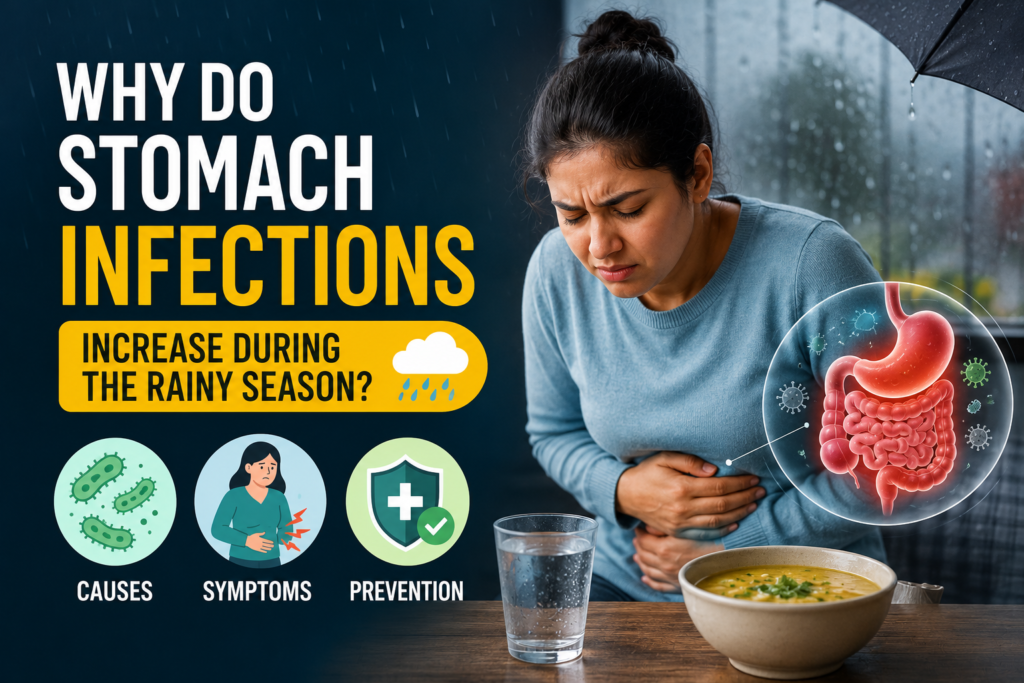
Over the past few weeks, you may have noticed more colleagues taking sick leave — persistent coughs, fever, sore throat, seasonal viral infections. It’s not just one office; families and communities across India experience the same pattern every monsoon. So why does it seem like everyone falls sick during the rainy season?
The answer lies in the conditions monsoon creates. Increased humidity, stagnant water, contaminated food and drinking water, and the rapid spread of bacteria, viruses, and mosquitoes make this season a hotspot for infection — from the common cold and viral fever to dengue, malaria, and foodborne illness.
ℹ️ Note: This article is general health information, not medical advice or a diagnosis. If you or a family member develops concerning symptoms, please consult a qualified healthcare professional promptly — especially for children, older adults, pregnant women, or anyone with a chronic condition.
Why Do People Fall Sick More Often During Monsoon?
Monsoon isn’t just about rain — it changes our surroundings in ways that directly affect health.
Mosquitoes Multiply
Even small collections of stagnant water — flowerpots, discarded containers, clogged drains, coolers — become breeding sites, spreading dengue, malaria, and chikungunya.
Contaminated Food & Water
Heavy rain contaminates water sources and food supply chains. Unsafe water, undercooked food, or unhygienic street food can cause typhoid, gastroenteritis, and hepatitis A and E.
Humidity Grows Germs
Warm, humid weather lets bacteria, viruses, and fungi survive longer on surfaces — contributing to fungal skin infections and respiratory problems.
Immunity Shifts
Reduced sunlight may affect vitamin D levels, and sudden weather changes stress the immune system — making infections easier to catch and spread.
Flooding & Poor Hygiene
Floodwater may carry sewage, chemicals, and microorganisms. Walking barefoot through it raises the risk of infections such as leptospirosis.
The 10 Most Common Monsoon Diseases
Here’s the at-a-glance view — how each one spreads and what to watch for — followed by the full details on symptoms, warning signs, and prevention.
Dengue Fever
Aedes Mosquito
Mosquito-Borne
Malaria
Anopheles Mosquito
Mosquito-Borne
Chikungunya
Aedes Mosquito
Mosquito-Borne
Viral Fever
Droplets / Contact
Air & Contact
Typhoid Fever
Food & Water
Food & Water
Food Poisoning & Gastro
Food & Water
Food & Water
Leptospirosis
Floodwater
Food & Water
Respiratory Infections
Cold, Flu & H1N1
Air & Contact
Fungal Skin Infections
Damp & Sweat
Humidity & Skin
Conjunctivitis
Contact (Pink Eye)
Air & Contact
How the 10 Diseases Spread
Grouping this season’s illnesses by how they reach you shows where prevention pays off most — stopping mosquito breeding and keeping food and water safe covers the majority.
*A simple grouping of the 10 illnesses covered here by how they typically spread.
1. Dengue Fever 🦟
One of India’s most common monsoon diseases, caused by the dengue virus and spread by infected Aedes mosquitoes, which breed in clean, stagnant water.
Early symptoms:
- Sudden high fever • severe headache • pain behind the eyes
- Muscle and joint pain • skin rash • nausea or vomiting
⚠️ Seek immediate medical attention for: severe abdominal pain, persistent vomiting, bleeding gums or nose, blood in vomit or stool, extreme weakness, or difficulty breathing — these may indicate severe dengue and need urgent evaluation.
Prevention: remove stagnant water, wear full-sleeved clothing, use repellents and bed nets, keep water containers tightly covered, and install window screens where possible.
2. Malaria 🌡️
A mosquito-borne disease spread by infected Anopheles mosquitoes that can become serious without prompt treatment. Unlike many viral fevers, it often presents with recurring episodes of chills, fever, and sweating.
Common symptoms: high fever with chills, excessive sweating, headache, fatigue, muscle aches, nausea.
At greater risk: young children, pregnant women, older adults, and people with weakened immunity.
Prevention: sleep under mosquito nets in high-risk areas, use repellents in the evening and at night, drain stagnant water regularly, and get evaluated if fever persists.
3. Chikungunya 🦴
Also spread by Aedes mosquitoes — the same species behind dengue. Rarely life-threatening, but it can cause prolonged joint pain lasting weeks or even months.
Symptoms: sudden fever, severe joint pain, muscle pain, rash, fatigue, headache.
How it differs from dengue: both begin with fever, but chikungunya is more strongly associated with intense joint pain, whereas dengue is more likely to cause bleeding complications in severe cases.
Prevention: with no specific antiviral or routine vaccine widely available in India, focus on avoiding mosquito bites and eliminating breeding sites.
4. Viral Fever 🤢
Many people catch viral infections that spread through respiratory droplets or close contact. Most improve with rest, hydration, and supportive care.
Symptoms: fever, sore throat, runny nose, body aches, fatigue, mild cough.
⚠️ Be concerned if: fever lasts longer than three days, breathing becomes difficult, symptoms worsen instead of improving, or you experience severe weakness or dehydration. Avoid antibiotics without medical advice — they don’t work against viral infections.
5. Typhoid Fever 🍽️
A bacterial infection caused by Salmonella Typhi, spread through contaminated food and water — more common in the rains when sanitation systems are affected.
Early symptoms: persistent high fever, weakness, headache, loss of appetite, abdominal discomfort, constipation or diarrhoea. Without timely treatment, typhoid can lead to serious complications.
Prevention: drink boiled or properly filtered water, wash fruits and vegetables thoroughly, eat freshly cooked meals, avoid food from unhygienic vendors, and maintain good hand hygiene before eating.
6. Food Poisoning & Gastroenteritis 🦢
Monsoon is ideal for bacteria, viruses, and parasites to contaminate food and water. Improperly cooked meals, unsafe water, or unhygienic street food can trigger it.
Common symptoms: diarrhoea, vomiting, stomach cramps, fever, nausea, dehydration.
⚠️ Seek immediate care for: blood in stools, persistent vomiting, severe dehydration, high fever, or symptoms lasting more than 48 hours.
Prevention: drink only boiled or filtered water, eat freshly prepared meals, wash produce thoroughly, avoid cut fruits and uncovered street food, and refrigerate leftovers promptly.
7. Leptospirosis 💧
A bacterial infection spread through water contaminated with the urine of infected animals, especially rodents. People who walk through floodwater with cuts or abrasions are at higher risk.
Symptoms: high fever, muscle pain (especially in the calves), headache, red eyes, vomiting, fatigue.
Prevention: avoid walking barefoot in floodwater, wear waterproof footwear during heavy rain, wash exposed skin with soap after contact with floodwater, and seek advice if fever develops afterward.
8. Respiratory Infections (Cold, Flu & H1N1) 😷
High humidity, indoor crowding, and fluctuating temperatures increase the spread of respiratory infections.
Symptoms: sore throat, runny or blocked nose, cough, fever, body aches, fatigue.
Prevention: wash hands regularly, cover your mouth when coughing or sneezing, avoid close contact with people who are ill, stay home and rest if you develop flu-like symptoms, and keep indoor spaces well-ventilated.
9. Fungal Skin Infections 🦠
Constant sweating, wet clothes, and damp footwear create the perfect environment for fungal infections such as ringworm, athlete’s foot, and infections in skin folds.
Symptoms: itching, red patches, burning sensation, peeling skin, unpleasant odour.
Prevention: keep skin dry, change wet clothes immediately, wear breathable cotton fabrics, dry shoes completely before reuse, and avoid sharing towels or personal items.
10. Conjunctivitis (Pink Eye) 👁️
Conjunctivitis spreads easily in the rainy season due to increased viral and bacterial infections.
Symptoms: redness, watery eyes, itching, swollen eyelids, sticky eye discharge.
Prevention: wash hands frequently, avoid rubbing your eyes, don’t share towels, pillows, or cosmetics, and stay home if diagnosed to reduce transmission.
Early Warning Signs You Should Never Ignore
Many monsoon illnesses start mild, but some need urgent care. Seek medical attention immediately if you experience any of the following.
• Fever above 102°F (38.9°C) lasting more than two days
• Persistent vomiting or diarrhoea
• Difficulty breathing
• Severe dehydration or reduced urine output
• Bleeding from the nose or gums, or blood in stools or vomit
• Confusion, drowsiness, or fainting
• Severe abdominal pain
Early diagnosis can significantly reduce the risk of complications.
Best Foods to Support Immunity During Monsoon
Your diet plays a key role in supporting the immune system. Aim for variety and freshly prepared meals.
Citrus & Vitamin C
Oranges, sweet lime, guava, and amla, plus vitamin-C-rich vegetables like bell peppers and broccoli.
Protein-Rich Foods
Dal, paneer, soy products, and sprouts help support the body’s everyday needs.
Garlic & Ginger
May support normal immune function when included as part of a balanced diet.
Turmeric
Use in cooking for its natural bioactive compounds.
Nuts, Seeds & Grains
Almonds, walnuts, pumpkin and sunflower seeds, plus whole grains and millets for sustained energy and gut health.
Warm Soups & Herbal Drinks
Help maintain hydration and comfort during rainy weather.
💧 Stay hydrated: Drink 2–3 litres of safe drinking water daily, unless your healthcare provider advises otherwise.
Foods to Avoid During Monsoon
To reduce your risk of foodborne illness, limit or avoid:
- Uncovered street food
- Cut fruits sold by roadside vendors
- Raw salads from unknown sources
- Stale leftovers
- Undercooked meat or seafood
- Sugary soft drinks and excessive sweets
- Contaminated or untreated water
Choose freshly cooked, home-prepared meals whenever possible.
10 Simple Habits That Keep You Healthy
- Wash hands frequently
- Drink only clean, filtered, or boiled water
- Eliminate stagnant water around your home
- Use mosquito repellents and wear full-sleeved clothing
- Eat freshly cooked meals
- Sleep for 7–9 hours each night
- Exercise regularly, even indoors
- Keep your home clean and dry
- Avoid self-medication, especially antibiotics without a doctor’s advice
- Stay up to date with recommended vaccinations where applicable
Monsoon Myths vs Facts
| Myth | Fact |
|---|---|
| Getting wet in the rain always causes fever. | Rain itself doesn’t cause illness — infections come from pathogens, though getting chilled may make some people more susceptible. |
| Antibiotics cure every fever. | Antibiotics work only against bacterial infections and should never be taken without medical advice. |
| Mosquitoes breed only in dirty water. | Dengue mosquitoes commonly breed in clean, stagnant water — coolers, flowerpots, buckets, containers. |
| Herbal remedies alone can cure dengue. | There is no proven herbal cure — early diagnosis, hydration, and proper medical care are essential. |
When Should You Visit a Doctor?
Consult a healthcare professional if:
- Fever lasts more than two to three days
- Symptoms worsen despite home care
- You experience dehydration, breathing difficulty, bleeding, or persistent vomiting
- A child, older adult, pregnant woman, or someone with a chronic illness develops a high fever
🩹 Don’t delay: some monsoon diseases can progress rapidly, so early care makes a real difference.
Key Takeaways
• Monsoon raises infection risk through mosquito breeding, contaminated food and water, and germ-friendly humidity.
• Dengue, malaria, chikungunya, viral fever, and typhoid are among the most commonly reported illnesses.
• Most are preventable — hygiene, safe water, freshly cooked food, and mosquito protection go a long way.
• Recognise early warning signs and seek timely care; support immunity with a balanced diet, sleep, and activity.
Monsoon is a season of renewal, but it also brings a higher risk of infectious disease. The good news: most illnesses are preventable. Enjoy the beauty of the rains — just don’t let your guard down. Staying informed and taking simple preventive measures today helps keep you and your family healthy all season.
Frequently Asked Questions
High humidity, mosquito breeding, contaminated food and water, and seasonal changes create favourable conditions for infections to spread.
Dengue, malaria, chikungunya, typhoid, gastroenteritis, leptospirosis, viral fever, respiratory infections, fungal skin infections, and conjunctivitis.
Eat a balanced diet rich in fruits, vegetables, whole grains, protein, nuts, and seeds; stay hydrated with safe water; sleep well; and exercise regularly.
It’s best to limit street food during monsoon, especially where hygiene standards are uncertain, since the risk of foodborne infection is higher.
Seek prompt care for persistent high fever, severe dehydration, difficulty breathing, bleeding, confusion, or symptoms that worsen instead of improving.